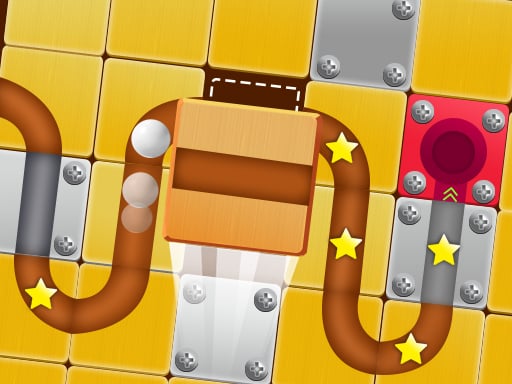


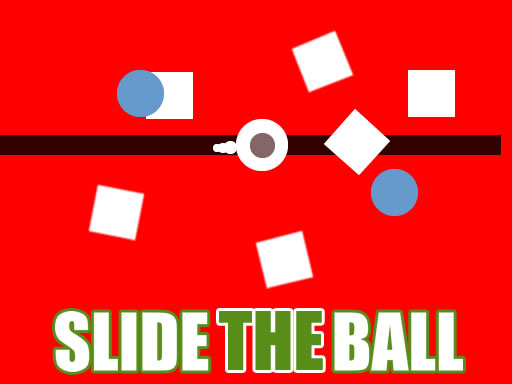



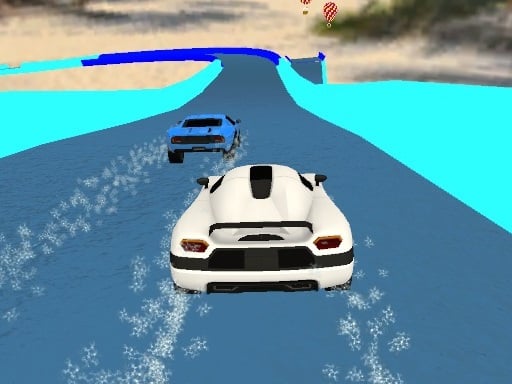
















Slide games are a subgenre of arcade games where players control a character or object moving along a predetermined path. The core mechanic typically involves avoiding obstacles while maintaining forward momentum. These games often feature simple inputs and a focus on reaction time. The genre is defined by the continuous sliding movement, making endless slide games a common example.
Immediately perform the required actions to survive the descent, using only the stated inputs to avoid obstacles. The objective is to maintain momentum and react quickly to environmental changes without stopping. Players must collect items or score points by navigating the path successfully. The gameplay loop relies on reflexes and pattern recognition to achieve high scores in fast slide games.
Players initiate movement and must react to upcoming path changes or obstacles, requiring precise timing to avoid failure. The game typically features a continuous forward scroll where the player must dodge hazards and collect items to increase their score. Reaching the end of the segment or achieving a high score is the primary goal, often leading to repeated attempts to improve performance in arcade slide games. This loop is central to casual slide games and emphasizes quick decision-making.
Focus on the immediate path ahead to anticipate turns and obstacles. Maintain a consistent speed to keep reaction times predictable. Practice specific segments to learn obstacle patterns and optimize collection routes. Remember that patience is key, as rushing often leads to unnecessary errors in physics slide games.
Q: What are the typical controls? A: Controls are not stated, but usually involve simple directional inputs.
Q: What is the main objective? A: The objective is to slide as far as possible while avoiding obstacles.
Q: Is there a specific feature mentioned? A: Not stated.
Q: What is the core mechanic? A: The core mechanic is continuous movement along a path.