








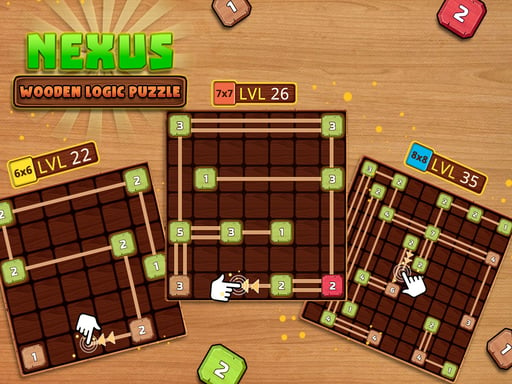


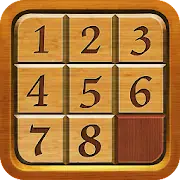











Logic games demand precise, calculated moves where every action has a clear consequence. Players interact with systems that require foresight and problem solving to advance. The genre typically focuses on manipulating objects or information to reach a predefined outcome. A popular genre example involves brain training games that test cognitive abilities.
Play by analyzing patterns and manipulating interactive elements on the screen to solve puzzles, using only your input device to execute moves, and Immediately apply solutions to progress through the environment, which requires careful planning and execution, featuring puzzle solving games as a core focus.
The core cycle involves scanning the environment for logical inconsistencies or movable objects, then formulating a plan to alter the state of the system. Players must execute precise actions to trigger reactions, often requiring the rearrangement of elements to clear paths or complete objectives. Success is measured by the efficient resolution of the presented problem, leading to the next scenario without relying on chance or random events. This loop defines the experience found in strategy logic games and critical thinking games.
Success relies on analyzing the entire board before making a single move. Consider how each action ripples through the system to avoid dead ends. Patience is required as rushing often leads to mistakes that reset progress. Use the environment to your advantage, leveraging established rules to bypass obstacles efficiently. This approach is vital for deduction games.
Q: What are the typical controls? A: Inputs are usually directional or selection based on the specific interface.
Q: What is the main objective? A: The goal is to solve the presented puzzle using available mechanics.
Q: Are there specific obstacles? A: Obstacles are logical barriers or locked states that must be manipulated.
Q: Is there a time limit? A: Time limits are not stated as a universal requirement for the genre.