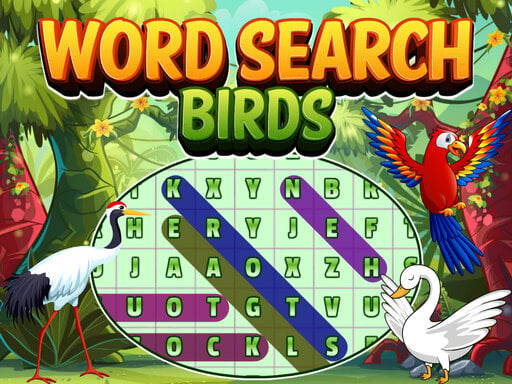
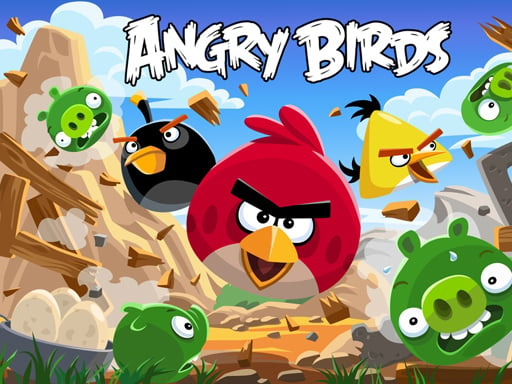




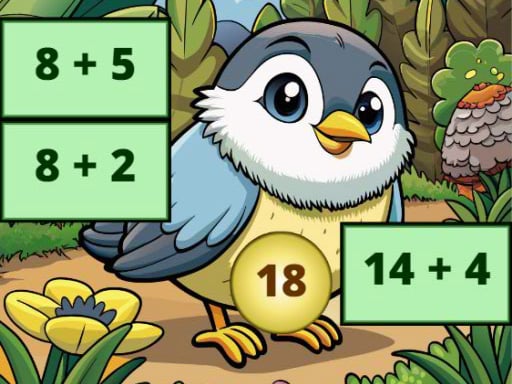













Bird games typically involve controlling avian characters in flight-based or perching scenarios. Gameplay often centers on navigation, food collection, and avoiding environmental hazards. Many titles emphasize physics-based movement and precise maneuvering through air or trees. The genre commonly features simple mechanics suitable for short sessions of bird flying games.
Often players must immediately collect seeds while navigating obstacles, and the core objective is to reach safe perches.
The primary loop involves taking off from a starting point, gliding through the air currents to locate food sources, and landing accurately on branches or nests without colliding with hazards. Players must manage stamina or energy reserves during flight, which requires balancing flapping motions with coasting segments to maintain forward momentum efficiently. Successful navigation rewards the player with points or progress, leading to repeated cycles of launch, exploration, and safe landing in bird nest games and aviary simulator games.
Practice gentle turns to conserve momentum and avoid sudden crashes into obstacles. Focus on collecting food items consistently to maintain energy levels for extended flight. Observe wind patterns and air currents to glide farther with minimal effort. Remember that patience leads to better navigation outcomes than reckless speed in bird simulator games.
Q: What are the common controls? A: Controls typically involve directional inputs to steer flight and buttons to flap or glide.
Q: What is the main objective? A: The objective is usually to navigate to specific locations or collect items while avoiding hazards.
Q: Are there specific characters? A: Not stated, but the genre generally features various bird species with similar flight mechanics.
Q: How does the core mechanic work? A: The core mechanic involves managing flight physics, stamina, and navigation through the environment.